Somewhere between choosing the dress and finalising the seating plan sits the bridal makeup trial — the appointment that quietly decides how you'll feel when you catch your reflection at four in the afternoon. Cumbria adds its own variables: a ceremony beside Windermere in April carries a chill off the water, while a barn wedding near Penrith in July can mean a long, warm day with photographs starting before noon. A trial is where you test all of that on your own face, with weeks to spare.
What a bridal trial actually involves
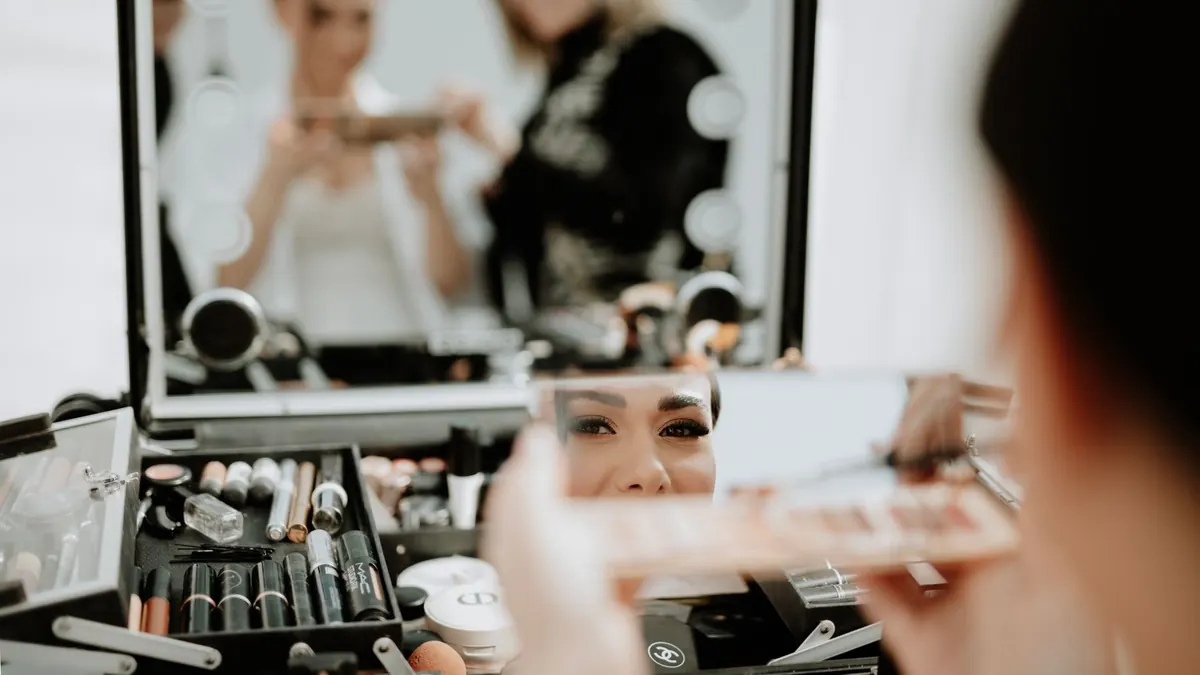
A trial is a working appointment, not a preview. You and the artist talk through what you like and dislike, then build the look in stages — base, eyes, finishing touches — adjusting as you go. Expect somewhere between an hour and two.
It's also a conversation about practicalities: how much coverage you want in daylight versus in photographs, whether you'd rather look like yourself with the volume turned up or something more dramatic, and how the makeup needs to behave through a ceilidh, a lakeside photo walk and a long drive between venues.
Many artists will ask you to arrive with a bare face, or with only your usual skincare on. That way they can see your natural skin tone, any redness or dryness, and how your skin behaves without product. If you wear a full face every day, bring a photo of it so they understand your normal look — it's a useful reference point, even if you want something different for the wedding.
When to book, and when to hold the trial
Two dates matter: the artist's booking, and the trial itself.
For the artist, earlier is safer. Popular Cumbrian makeup artists fill Saturdays between May and September well in advance, and a handful of dates go first — late May, the school holidays, the first bright weekends of autumn. If you have a date and a venue, start enquiries around twelve months ahead. For a bank holiday weekend or a wedding in a honeypot location like Ambleside or Keswick, allow even more time.
The trial usually works best six to ten weeks before the wedding. Late enough that your skin and hair are close to their wedding-day state, early enough to change your mind about an artist or a set of lashes without panic. If you're having a hair trial too, put both on the same day and see the whole look together.
Try to avoid the final fortnight. Dress fittings, guest numbers and family logistics all arrive at once, and a trial squeezed into that window rarely gets the attention it needs.
Gather your inspiration first
Turn up with a screen full of other people's weddings and you'll get a version of someone else. Bring a small, considered set of references and you'll get something that looks like you.
Before you contact anyone, collect:
- Three to five makeup images you genuinely love, saved in one album.
- One or two you dislike, so the artist knows where the line is.
- Photos of your dress, including fabric close-ups and the neckline.
- Your hair plan, even a rough one.
- Venue, ceremony time and roughly how long the day runs.
- Any skin sensitivities or past reactions, plus what you use daily.
Note why you like each image — the finish, the eyes, the lip colour. "I like how fresh this looks, but not how shiny the skin is" tells an artist far more than a screenshot with no comment.
Finding and shortlisting artists
Ask your venue whether they keep a list of suppliers who have worked there. That's often the quickest route to someone who knows the light, the timings and where to park. Your hairdresser, photographer and recently married friends are good sources too, along with local wedding directories and social media.
With three or four names in front of you, ask each about travel. Cumbria is large and rural; an artist based in Kendal or Carlisle may be driving an hour or more to reach a remote barn or a valley venue, and that should be clear before you book rather than after. It's worth asking whether they've worked at your venue, and what they'll need on the morning — a table, a socket, decent daylight.
What to ask before you commit
One message with clear questions saves weeks of back and forth.
- Are you free on my date, and how many other weddings will you be doing that day?
- Do you offer trials, and is the trial fee separate from the wedding day cost?
- Where does the trial take place — your studio, my home, or the venue?
- Do you travel to my venue, and what does that involve?
- Can you also cover bridesmaids or family, and how much time would that add?
- What's the deposit, the cancellation policy and the final payment deadline?
- Which products do you use, and can you work with sensitive or reactive skin?
- Will you provide a touch-up kit, or a list of what I should carry?
If you have a specific skin concern — acne, rosacea, eczema, or a history of reacting to certain brands — say so before the trial so the artist can patch-test or bring alternatives. The same goes for anything you're nervous about: a scar, a mole you'd rather not have covered, or a preference for no mascara on the lower lashes. The more the artist knows, the fewer surprises on the day.
Preparing for your trial: skin, hair and what to bring
Treat the trial like a dress rehearsal. Arrive with clean, moisturised skin and dry hair, and wear a light-coloured top that won't compete with the makeup. If you normally wear contact lenses, put them in before you start, and bring your glasses in case your eyes water.
Pack a small bag with:
- Your usual makeup bag and brushes, so the artist can see what you're used to.
- Any products you definitely want used, such as a favourite lipstick or a foundation that matches your skin.
- A hair clip or band if you're having a hair trial afterwards.
- Water and a snack — appointments can run long.
- Your phone or camera to take photos in different lights.
If your trial is at the venue, ask about the light. A north-facing room at noon is very different from a candlelit barn at dusk. Take photos near a window, then outside, then under artificial light. What looks soft in one can look flat in another. If you're getting married in a church with dim lighting or a marquee with bright, diffused light, mention it — the artist can adjust the strength of the eyes and the placement of blush accordingly.
“The best trials end with a plan, not just a look. You should leave knowing which products are being used, how long the morning will take, and who is doing what.”
After the trial: what to confirm and how to document it
Before you leave, take a few minutes to lock in the details. A trial that felt perfect can become a blur two months later, so document it properly.
- Photograph the finished makeup from several angles, in daylight and indoors.
- Note the exact products and shades used, or ask the artist to email them.
- Confirm the wedding-day start time, location and how long the artist needs.
- Ask what happens if you cry, get rained on, or the weather turns humid.
- Check whether a touch-up kit is included and what it contains.
If you're unsure, book a second trial. Some artists offer a reduced rate for a follow-up, especially if you're changing the eye makeup or the lip colour. It's cheaper than changing your mind in the final week.
Finally, trust the trial. The point isn't to create a mask you'll worry about all day; it's to find a version of your face that feels calm, comfortable and recognisable. When you walk out of the appointment and catch your reflection in a shop window in Kendal or on the drive back over Kirkstone Pass, you should think: yes, that's me — just ready for the photographs.
A final note on budget and timing
Bridal makeup in Cumbria varies widely. A trial might be charged separately, included in a package, or offered at a reduced rate when booked with the wedding day. Travel can add a mileage fee, and early starts — a 6am call for a midday ceremony — may carry a supplement. Ask for a full written quote before you pay a deposit, and check whether bridesmaids are priced per person or as a group. Knowing the total early makes the rest of the planning far easier.