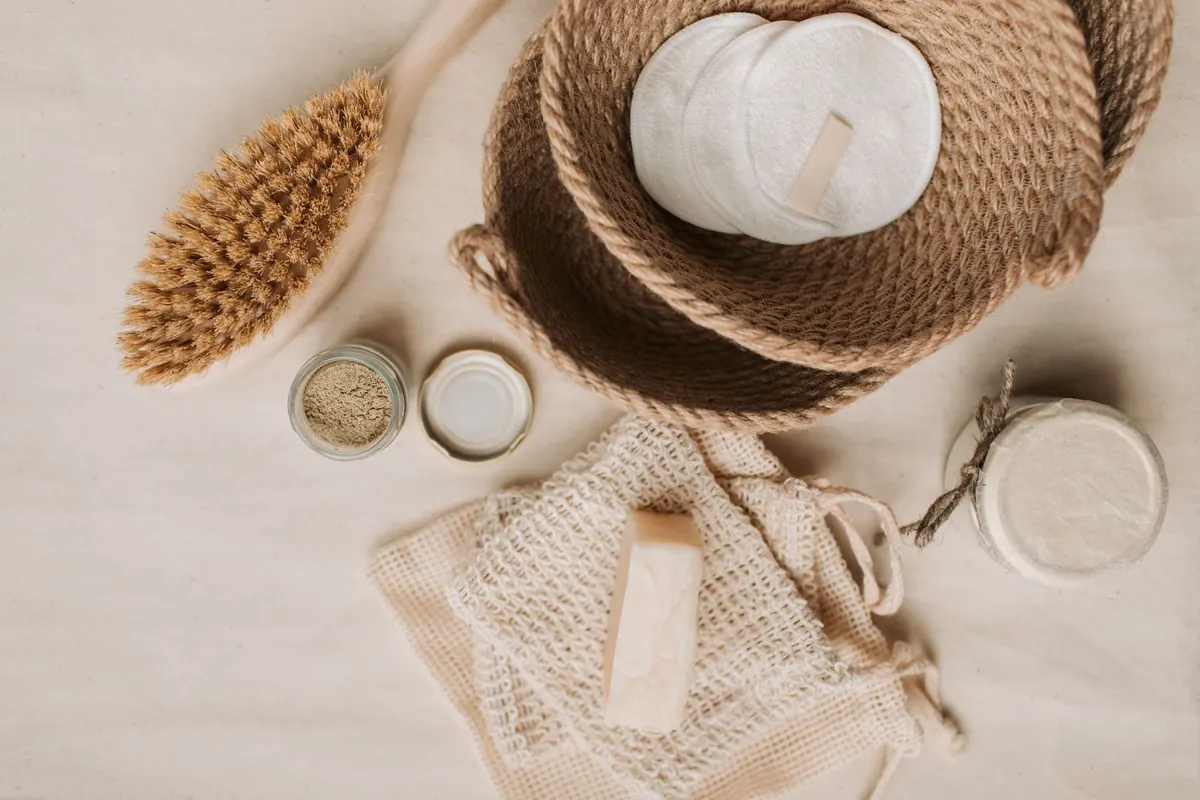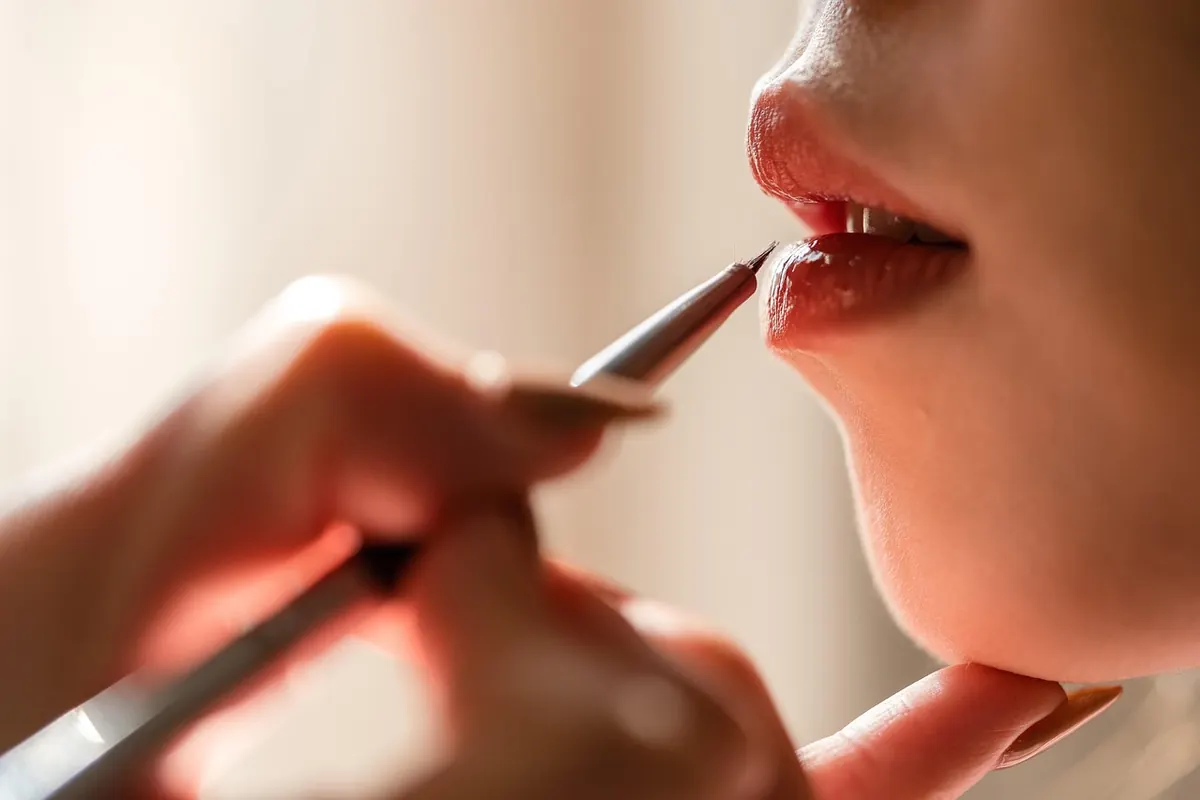
A sunny morning in Ambleside can turn into horizontal rain on the summit of Loughrigg before you have finished your coffee. Makeup worn on the fells has to cope with drizzle, wind, sweat on the climbs and the sudden fug of a café when you finally come back down. None of that means going bare-faced. It means building your face in thin, flexible layers, and knowing which two or three products are worth carrying for the walk back to the car.
Start With Skin, Not Makeup
Most makeup that slides off in the Lakes was never going to stay in the first place, because the skin underneath was either too dry, too damp or too slick. Wind and cold strip moisture; pub fires, car heaters and cafés put it back unevenly. Give your skincare ten minutes to settle before you go anywhere near foundation. A hydrating serum followed by a light moisturiser is usually enough in the morning — save the richer cream for the evening, where it will not sit under your base.
Sunscreen matters here all year, not just in July. Cloud and breeze make burning easy to miss, and UV reflects off water. A fluid SPF layers neatly under makeup; thick, heavy creams tend to pill, especially if you rub them in and immediately reach for a brush. If you have rosacea, eczema or acne that flares with the weather, a pharmacist or GP can advise on treatment. Makeup can cover redness, but it should not be your first line of defence.
Prime Selectively, Not All Over
The old advice to prime every square inch of your face is not helpful on a day that involves a hill. Too much product means more to shift when the weather turns. Instead, treat your face in zones.
- Forehead, nose and chin: a gripping primer if you tend to shine, or a mattifying one if you get very oily on climbs.
- Cheeks and jaw: a hydrating primer, or simply your moisturiser, so wind does not make the base look chalky.
- Around the eyes: a tiny amount of eye cream, then blot. Concealer creases badly when it is layered over damp skin.
Check what your primer is based on and match it to your foundation. Silicone primers under water-based foundations are a common cause of patchy, sliding coverage. Give the primer a full minute before the next layer.
Build the Base in Thin Layers, Then Set It Strategically
Heavy foundation is fragile foundation. Two thin layers pressed in with a damp sponge will outlast one thick layer every time, and they will behave far better when you sweat. A cream-to-powder or long-wear formula suits changeable conditions well; something very dewy will simply travel. Keep sheer coverage where you can and let concealer do the work on spots or redness.
Then powder, but only where you need it. Sweeping translucent powder over the whole face before a walk in a cold wind leaves cheeks looking flat and dry. Press a light dusting into the T-zone, the sides of the nose and anywhere your sunglasses sit.
Powder stops makeup moving. Too much of it stops makeup looking like skin.
Finish with a setting spray, held about 20cm away, in two fine passes. Let it dry down on its own rather than fanning your face. If you are heading straight out, a light press with clean palms helps everything settle.
Eyes and Brows: The Wind Will Test Them
Streaming eyes are the Lake District's quiet revenge on a good eyeliner. Waterproof mascara is the obvious choice, though a tubing formula is often kinder if your eyes water easily — it holds well and slides off with warm water at the end of the day. Either way, avoid layering mascara thickly; one coat that sets beats three that clump and flake.
Cream eyeshadow sticks are useful here. They set quickly, do not drop powder into your eyes in the wind, and can be smudged with a finger at a summit if you want a little more definition. For liner, choose waterproof, or skip the pen and press a dark shadow along the lash line instead.
Go easy on under-eye concealer if you know you will be squinting into rain. Use less than you think, set only the very edge, and keep a clean tissue handy. For brows, a tinted gel or a brow soap gives hold without the risk of a cream pomade running in drizzle.
Cheeks and Lips: Layer Cream and Powder
A cream blush applied with fingers looks natural and revives in seconds, but it can fade on a windy ridge. Layering works: cream first, then a whisper of matching powder blush over the top. Carry the cream stick with you. On lips, a tint or a tinted balm is far more practical than gloss, which catches hair the moment the wind picks up. Choose one with SPF if you can, and reapply after eating.
What to Carry
Keep it small enough for a jacket pocket or the top of a rucksack.
- Blotting papers or a clean microfibre cloth
- A small damp sponge in a case, for pressing rather than wiping
- Cream blush stick
- Tinted lip balm
- A compact powder and a small brush, or just a powder puff
- Travel-size setting spray, decanted and checked for leaks
- A buff or hair tie, so hair is not whipping across your face
The Five-Minute Touch-Up
Wherever you stop — a café in Keswick, a bench above Buttermere, the car park — the same routine works.
- Blot first. Never add powder over damp skin. It cakes instantly.
- Press, do not sweep. Use the sponge to smooth what has moved, then powder only the shine.
- Rehydrate the dry patches. A dot of moisturiser or balm on cheeks and around the nose stops powder from looking dusty.
- Fix the eyes. Clean up any mascara smudges with a fingertip and a little balm.
- Add colour back. Cream blush on cheeks and a tinted balm on lips takes two minutes and makes the rest look deliberate.
One last thing worth saying: the weather will win sometimes, and that is fine. A slightly flushed, slightly windblown face after a day on the fells looks better than a perfectly matte one that has clearly been fighting a losing battle since the first gust off the water.
Photo: iLeoplus / Pixabay