Ask three people in Cumbria what they book when they need to switch off and you will get three different answers. One wants their shoulders taken apart after a week at a desk. One wants their skin to stop feeling tight and wind-beaten. One wants an hour where nobody asks them anything and their feet finally get some attention.
All three are reasonable. Massage, facials and reflexology overlap in the calm they create, but they do quite different work on the body. Knowing which one fits the week you have had saves you money, time and a certain amount of disappointment.
Massage: muscle, tension and movement
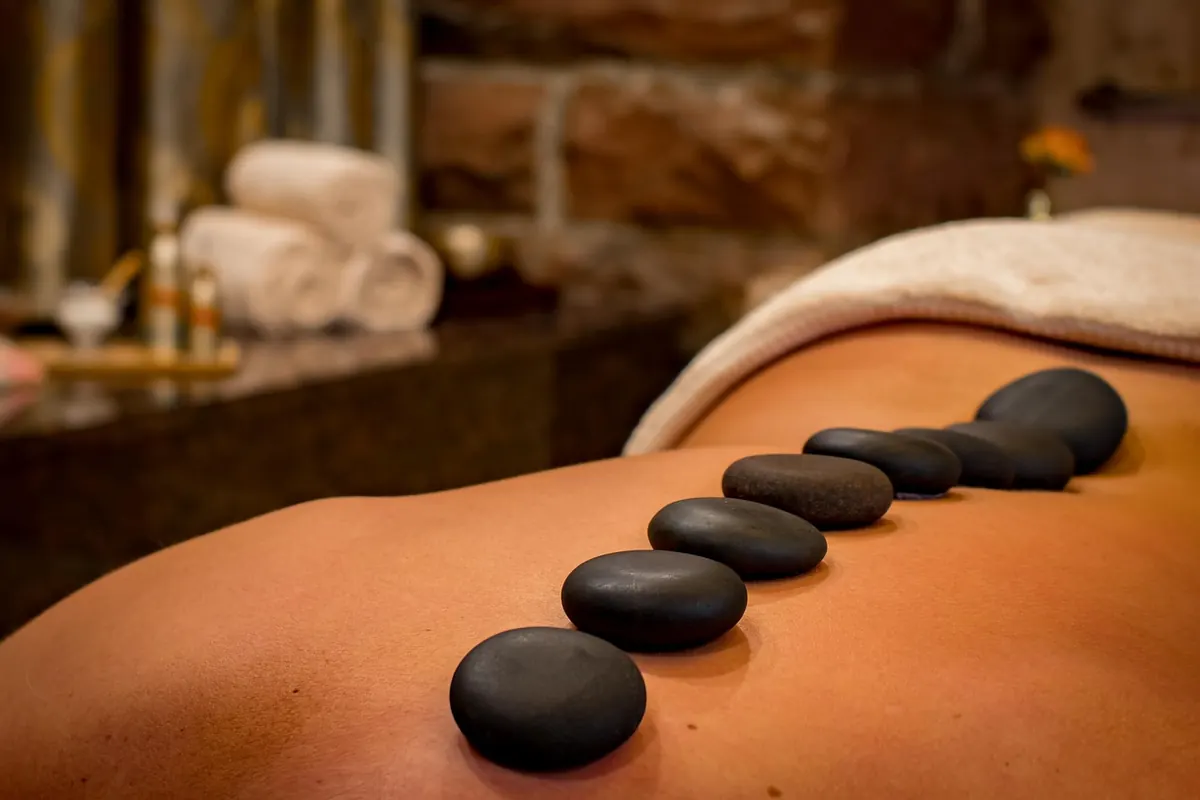
Massage is the most physical of the three. A therapist works through the layers of muscle with hands, forearms and sometimes elbows, easing areas that have tightened and stayed tight. Locally you will see everything from gentle Swedish and aromatherapy massage through to firmer deep tissue, sports and hot stone work.
It suits people who can point to a problem area, even vaguely:
- Neck, shoulder and upper back tension from screens, long drives or carrying children
- Legs and hips that ache after a big day on the fells or a hilly ride
- Stress that has settled into the body as stiffness rather than worry
- Stubborn tightness that has lasted more than a fortnight
Sessions are usually 30 minutes for a focused back, neck and shoulder treatment, 60 minutes for full body, and 75 to 90 minutes for deep tissue or hot stone. You will be asked about pressure at the start, and you should speak up during the treatment if it is too much. A good therapist would far rather ease off than have you lying there braced against it. Mild soreness for a day afterwards is common after deeper work; drink water, keep moving gently, and use a warm bath or wheat bag if you feel bruised.
Facials: skin first, but rarely only skin
A facial is a skincare appointment with a relaxation bonus rather than the other way round. A typical treatment moves through cleansing, exfoliation, possibly steam and extractions, a face, neck and shoulder massage, a mask, and finishing products. Some therapists add LED light, mild acids, gua sha or lymphatic drainage.
What it addresses:
- Dryness, tightness and dullness, which show up quickly in a Cumbrian winter
- Congestion and blackheads, though extractions are best done by someone trained rather than at your bathroom mirror
- Sensitivity, redness and reactivity, if the therapist adjusts products accordingly
- Jaw and forehead tension, because the massage element is genuinely effective
An express facial can be 30 minutes; a classic is 60; more involved treatments run 75 to 90. The practical value is in the consultation. Tell your therapist what you actually use at home, including prescription retinoids or acne medication, and mention recent waxing, peels, sun exposure or any active breakout. Skip a facial entirely if you have a skin infection, cold sore or open wound on the face, and ask your GP first if you are mid-treatment for a skin condition.
Reflexology: slow, quiet work on the feet
Reflexology uses pressure on specific points of the feet, and sometimes the hands, following a map that divides the foot into zones said to correspond with organs and body systems. It is gentle, unhurried and largely silent. Sessions generally last 45 to 60 minutes and begin with a warm foot cleanse.
People book it for deep relaxation, better sleep, circulation and relief for feet that spend their lives in walking boots or on hard floors. It is also a good option if you find the idea of undressing or being massaged near the spine uncomfortable, or if you want something you can drift through without conversation.
Be realistic about the claims. Reflexology is pleasant and relaxing, and many people report feeling calmer and sleeping better afterwards, but it is not a diagnostic tool and it should not be used instead of medical care. If you have diabetes, nerve damage, circulatory problems or a foot injury, check with your GP or a podiatrist first, and always tell the therapist. Persistent pain, numbness or swelling needs a medical opinion, not another appointment.
Which one suits you?
- Choose massage if you have a specific ache, knot or restricted area, or want the firmest, most physical treatment.
- Choose a facial if your main concern is how your skin looks and feels, or you want product advice that is actually tailored to you.
- Choose reflexology if you want calm above all, prefer to stay fully clothed, or find hands-on back work too intense.
- Combine them if you have the time: a 30-minute back massage followed by a 30-minute facial is a popular pairing in Cumbrian spas.
What a first appointment looks like
- You fill in a short health and lifestyle consultation, listing medication, injuries, allergies and pregnancy.
- You talk through what you want from the session. Be specific: "my right shoulder seizes when I drive" is more useful than "I'm stressed".
- You agree on pressure, areas to avoid, and whether you would rather chat or stay quiet.
- The treatment runs, with the therapist checking in where needed.
- You get aftercare advice, and usually a glass of water and a few minutes to come round before driving.
Booking well and getting your money's worth
Ask about qualifications, insurance and how long the therapist has been practising, especially for anything involving extractions, deep tissue or specialist work in pregnancy. Prices and availability vary widely between spa hotels, independent treatment rooms and mobile therapists who come to you, so it is worth comparing what is included rather than the headline figure. A 60-minute booking that includes consultation and changing time is not the same as a full hour on the couch.
Think about frequency too. Many people find a monthly massage or facial keeps things steady, while reflexology is often booked weekly or fortnightly for a short block and then eased back. Vouchers and off-peak weekday slots are usually the cheapest route in, and quiet midweek mornings are easier to book at short notice than weekends.
Finally, be honest in the consultation. Therapists can only work with what they know, and a good one will happily refer you elsewhere or suggest you see a GP if what you describe is not something a treatment room should be handling.
Photo: SocialButterflyMMG / Pixabay